Empowering Detroit Communities Together

  • GOAL Line program Expands Student Support

    GOAL Line program Expands Student Support

    The GOAL Line program changed in Detroit on September 10, 2026, when Mayor Mary Sheffield announced a $2.2 million city investment to expand after-school programming for students. The City of Detroit said the funding adds seven new sites, increases the network from 33 to 40 locations and partners, and is expected to reach up to 1,000 more students during the 2026–27 school year, bringing total participation to about 3,700 students City of Detroit announcement.

    For families, schools, libraries, recreation centers, churches, and neighborhood groups, the civic point is direct: Detroit is adding more places where K-8 students can receive after-school enrichment, tutoring support, activities, and transportation. As someone who believes deeply in local aid programs, I see this as the kind of connected support that helps families plan the school week with more confidence. The strongest results will depend on clear referrals, trusted communication, and local adults helping families understand which sites serve which students.

    What The GOAL Line program Expansion Changes

    Seven New Public Sites

    The city said the expansion adds seven sites: four recreation centers and three Detroit Public Library branches. That matters because after-school help is not only a classroom issue. Recreation centers and libraries are public places where families may already go for activities, homework help, reading support, computer access, and youth programs. Placing enrichment work in those settings can reduce the distance between school-day learning and neighborhood-based support.

    The City of Detroit also said the new sites were selected to improve equity by reaching areas that had been underserved by after-school programming. That statement gives neighborhood groups a clear civic task. If a church, pantry, youth ministry, or block club serves families near one of the added sites, the next step is to help parents and caregivers get verified information from the city or program partners rather than relying on secondhand details.

    Who The GOAL Line program Serves

    The GOAL Line program serves K-8 students. The September 10 city announcement also said homeschooled students will be included for the first time. That is a meaningful change for families whose children learn outside a traditional school building but still need enrichment, peer activities, academic support, and safe structured time after regular learning hours.

    According to the city, GOAL Line has served 2,708 students since its start in 2018, through nearly 60 enrichment programs and activities through 2025. The new 2026–27 expansion is expected to add up to 1,000 students. Those numbers show why communication will matter. A larger program means more families may have questions about eligibility, locations, transportation, schedules, and which activities are available at each site.

    Program DetailWhat The City ReportedWhy It Matters Locally
    City investment$2.2 million announced on September 10, 2026Creates new public capacity for after-school enrichment
    New sitesSeven total: four recreation centers and three library branchesAdds access points in public neighborhood spaces
    Total networkIncreases from 33 to 40 locations and partnersGives families more places to seek structured support
    Students servedUp to 1,000 more students expected in 2026–27Broadens reach for K-8 students, including homeschooled students

    Why Access And Student Support Matter

    Enrichment, Transportation, And Behavioral Support

    Program offerings reported in local coverage include robotics, athletics, coding, visual and performing arts, language learning, cooking, podcasting, and other activities. The same report said transportation is provided for participating students Detroit Bible report. Those details matter because after-school participation often depends on more than interest. A student may want to join an activity, but a family may need transportation, a nearby site, or a schedule that works with work hours and sibling care.

    The city also said GOAL Line employs two behavioral specialists to support students’ socio-emotional needs while they take part in enrichment and tutorial services. That support is worth naming carefully. After-school programs are not just a place to fill time between dismissal and dinner. They can be settings where students practice teamwork, manage stress, build confidence, and receive adult support outside the normal school-day pace.

    For families comparing options, the practical question is not only which activity sounds exciting. It is also whether the site can meet the child’s academic, social, emotional, and transportation needs. Local organizations that want to help should avoid making promises for the program. They can still help caregivers write down questions, save official announcements, and connect with the correct city or program contact once details are released through verified channels.

    A Faith And Neighborhood Role

    The provided public research does not identify a formal faith-community role in the expansion. That should be stated plainly. Still, churches, parish groups, youth ministries, and faith-based service teams can support families without claiming to run the city program. They can share verified announcements, help caregivers understand paperwork, offer safe study space before or after program hours where appropriate, and encourage families to ask about transportation and student support.

    That kind of connection is not flashy, but it is often what families need. A parent may hear about a new site but not know whether a homeschooled child is eligible. A grandparent may know a student needs tutoring but not know where to ask. A church secretary, pantry volunteer, or youth mentor can become a trusted bridge by pointing residents back to official information rather than spreading unconfirmed details.

    For readers following civic education issues across related community networks, the Houston LWS Forum offers another place to track public-life conversations tied to local support systems. The useful lesson for Detroit is that education work grows stronger when information moves through trusted networks with care.

    What Families And Partners Should Watch

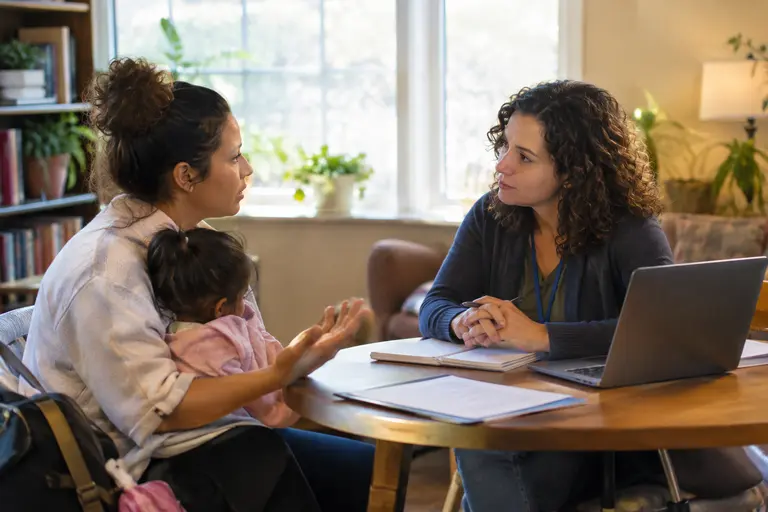
    Caregiver reviewing after-school program notes with a community volunteer

    Questions For School-Year Planning

    Because the September 10, 2026 announcement described an expansion for the 2026–27 school year, families and local partners should focus on practical school-year questions. Which of the 40 locations is closest? Which grades are served at each site? How does a homeschooled student connect with the program? What transportation is available? Which enrichment activities are offered at a specific location? What support exists if a child needs behavioral or emotional help during after-school hours?

    Those questions matter because public programs can be strongest when families receive clear answers early. If caregivers learn about the program after slots are limited, they may miss a needed service. If a volunteer shares old information, a family may spend time calling the wrong place. If a neighborhood group assumes all sites offer the same activities, students may be sent toward a location that does not match their interests or needs.

    • For caregivers: Save the city announcement, ask about eligibility, confirm the correct site, and request transportation details before making a school-week plan.
    • For schools and homeschool groups: Share verified information with families, especially those seeking enrichment, tutoring, or peer activities.
    • For churches and nonprofits: Help families prepare questions, but do not promise enrollment, transportation, or schedules unless those details come from official program sources.
    • For neighborhood volunteers: Keep printed and digital information current so families are not sent to outdated contacts.

    How Local Groups Can Share Clear Information

    Detroit’s after-school expansion is a public investment, but its usefulness will depend partly on local communication. Families often hear about programs through trusted messengers: a teacher, librarian, pastor, recreation worker, neighbor, food pantry volunteer, or youth coach. Each messenger should treat accuracy as part of the service.

    A simple information plan can help. One person at a church, school support group, or community organization can be assigned to check city updates before posting flyers or social media notices. Another person can keep a list of questions families are asking. A third can help translate questions into phone calls or emails to the correct program contact. This is practical local aid: not replacing public agencies, but helping families reach them.

    Saint Joseph Detroit has also covered related access concerns in its reporting on GOAL Line expansion access, with attention to student support and after-school reach. Families benefit when local coverage, civic announcements, and neighborhood helpers all point toward verified information.

    GOAL Line program In Detroit After-School Support

    The Civic Value Of Connected Support

    The GOAL Line program is now part of a larger Detroit conversation about what students need after the school day ends. The city’s reported investment adds sites, widens access to homeschooled students, and aims to serve up to 1,000 more students during the 2026–27 school year. The work ahead is not only about opening locations. It is about helping families find the right door, ask the right questions, and stay connected to the support their children need.

    For community groups, the most useful response is steady and practical. Share verified information. Ask families what barriers they face. Help caregivers prepare for enrollment questions. Encourage students to consider enrichment that builds skills and confidence. Keep communication clear across schools, libraries, recreation centers, churches, and youth-serving groups.

    Detroit’s September 10, 2026 announcement gives local partners a concrete opportunity. If public agencies provide the sites and programming, neighborhood networks can help families understand the opportunity. That is where local aid becomes real: not in broad statements, but in a parent getting the right phone number, a student finding a safe activity, and a community choosing to keep its children connected after the school bell rings.

  • Ride to Rise Keeps Student Transit in Focus

    Ride to Rise Keeps Student Transit in Focus

    The Ride to Rise conversation remains a practical education issue for K-12 families, schools, churches, and youth-serving groups working to keep students connected to class, tutoring, meals, after-school programs, and safe routes home. National school transportation data shows why local planning matters: in April 2025 data collected through the National Center for Education Statistics, 87% of public schools reported that school buses were available to take students to and from school, while only 40% of public-school students traveled by bus on a typical day, and 51% of public schools said distance from home to school was a barrier to walking, biking, or using public transit for commuting, according to the NCES School Pulse Panel.

    The sources provided for this article do not include a fresh, district-level 2026 count for Detroit student riders, so this report stays with verified national data and previously published local program context. For readers following the Detroit DDOT access issue, our prior Ride to Rise student transit coverage described the local student transit readiness work connected to K-12 bus access and family planning. The local civic question is direct: how can schools and community partners make transportation easier to understand, easier to verify, and less likely to interrupt attendance?

    Why Ride to Rise Still Matters for Attendance

    Ride to Rise and Attendance Barriers

    Transportation is not only a morning routine. It is an attendance support, a family work-schedule issue, a safety-planning issue, and a youth-program access issue. If a student misses a ride, cannot afford a trip, lacks a clear route, or has no adult available to confirm options, the school day can be disrupted before the first class begins. That pressure is felt most by students whose families have fewer backup options.

    The 2025 State of School Transportation Report, based on the AP-NORC School Transportation Administrator Survey conducted in June and July 2025, reported that 45% of U.S. public school districts said all students qualify for free, school-provided transportation. The same report found that administrators identified certain groups as qualifying for free rides at different rates, including students with disabilities at 33%, students experiencing homelessness at 29%, students from low-income families at 22%, students living far from school at 22%, students in foster care at 20%, and chronically absent students at 5%, according to the 2025 transportation report.

    What The National Data Shows

    The same 2025 report said 44% of districts saw increases over the prior five years in the number of students qualifying for free transportation, while 46% saw no change and 8% saw decreases. For the next five years, 45% expected eligibility to grow, 43% expected it to remain stable, and 8% expected it to drop. Those figures point to a steady service-planning concern rather than a short-term inconvenience.

    The report also found that 75% of school administrators said access to school-provided transportation affects chronic absenteeism in their schools or districts. That does not mean transportation is the only attendance issue. It does mean any serious attendance plan should ask whether families know their options, whether students can get to school consistently, and whether support teams notice transportation problems early enough to respond.

    Which Students Need The Clearest Transportation Path

    Eligibility Is Not The Same Everywhere

    Free transportation rules are not uniform across every school system. Some students qualify by grade level, disability status, housing status, foster-care status, distance from school, or local policy. Other students may live close enough to school that bus service is not provided, even when the route is hard for a young child or difficult during bad weather. The verified national sources show broad differences in access; they do not provide one rule that applies to every community.

    That is why local schools, faith communities, and family support workers should treat transportation guidance as a year-round communication task. Families need plain answers: who qualifies, what identification is needed, where students board, what to do if a pass is lost, how early students should arrive, and who to contact if a route or schedule creates a barrier. A student who technically has access can still miss school if the process is confusing.

    Faith And School Partners Can Reduce Daily Friction

    A Ride to Rise approach should focus on the everyday points where families get stuck. Churches, schools, and youth programs can help by hosting route-planning sessions, printing one-page transit reminders, setting up school-year check-ins, and connecting families with school offices before an attendance problem grows. These steps do not replace school district transportation departments or public transit agencies. They help families use the services that already exist.

    For those interested in broader civic engagement at the county level, County Watchers offers insights and updates on public issues, acting as a related site within this network.

    Practical Steps For Schools, Churches, And Families

    Community volunteers organizing student transportation information at a table

    Make The Morning Trip Easier To Verify

    The most useful transportation support is often simple. A family may need a written plan on the refrigerator, a backup adult contact, a reminder of the bus stop location, or a phone number for the school office. A student may need help practicing a route, understanding transfer points, or knowing what to do if a bus is missed. Schools and community partners can make these details part of back-to-school events, parent meetings, tutoring intake, and youth ministry check-ins.

    • Confirm eligibility early: Families should ask the school or district which students qualify for free transportation and what documentation is required.
    • Write down the daily route: Include pickup location, expected arrival time, return plan, and an emergency contact.
    • Plan for after-school changes: Tutoring, athletics, clubs, and faith-based programs may end after the normal school-day trip.
    • Watch for attendance signals: Repeated tardiness or absences can be a sign that a transportation plan is not working.
    • Use verified updates: Families should rely on school, district, or transit communications for route changes and service notices.

    Use Transportation As A Student Support Signal

    For families, missing transportation can feel like a private problem. For schools and outreach teams, it should be a support signal. If a student is absent on rainy days, late after a housing move, or unable to stay for tutoring because of the trip home, staff and volunteers can ask practical questions without blame. Is the route clear? Is the cost an issue? Does the student need a safer pickup plan? Does the family know who to call?

    Faith communities can be especially helpful because they often see families outside the school building. A parish, church, or neighborhood ministry may learn that a student is having trouble getting to class, reaching a meal program, or staying after school. The best response is to connect the family with verified school or transit information, not to rely on informal guesses.

    Ride to Rise Student Access Priorities

    For Ride to Rise to remain useful during the school year, the priority should be clear communication, early problem-solving, and shared responsibility among families, schools, transit contacts, and community partners. National data confirms that bus availability and actual student use are not the same thing. It also shows that administrators see transportation as connected to chronic absenteeism.

    Local education and faith partners can respond by keeping transportation questions visible: ask about the trip to school during student intake, include transportation reminders in family newsletters, help parents verify eligibility, and treat late arrivals as a chance to solve a barrier rather than assign fault. Free transportation access matters most when students and families understand how to use it every school day.

    The work is not only about getting a student onto a bus. It is about protecting attendance, widening access to learning support, and helping families build a reliable school-year routine. That is a practical civic goal, and it belongs in every serious conversation about K-12 student success.

  • After-School Programming Expands In Detroit

    After-School Programming Expands In Detroit

    The after-school programming investment announced in Detroit on September 10, 2026, changed the scale of the city’s GOAL Line effort. The City of Detroit said the $2.2 million commitment expanded the program to seven more public sites, including four recreation centers and three public libraries, bringing the total to 40 participating locations and estimating support for nearly 1,000 more students during the school year City of Detroit announcement.

    For families, the most direct effect is access. More sites can mean shorter trips, more public places where students can spend supervised time after the school day, and more chances for tutoring, recreation, creative activities, and academic support where program capacity allows. For churches, neighborhood groups, and education partners, the announcement creates a civic opening: help students use the available seats well, support families with information, and connect volunteer energy to verified program needs.

    What The After-School Programming Expansion Changed

    After-School Programming Sites And Student Reach

    Detroit’s announcement identified three clear changes: a $2.2 million funding commitment, seven added GOAL Line sites, and a new total of 40 participating locations. The city said the added locations were split between recreation centers and public libraries. That matters because those sites already serve as familiar public spaces for many families, even though each family still needs confirmed details from official program communications about enrollment, hours, eligibility, and transportation.

    The city’s estimate that nearly 1,000 more students could be helped gives the investment a practical frame. It does not, by itself, guarantee a specific academic result for every student. It does show the size of the access goal: more young people with a place to go after school, more structured time, and more contact with adults outside the regular classroom day.

    Why Public Sites Matter For Family Routines

    Public libraries and recreation centers can reduce some common access pressures by placing services in community settings rather than only inside individual schools. A student may need a safe supervised place while a parent or guardian is still at work. Another student may need homework help, quiet study time, or a constructive activity before going home. A family may need a site that is easier to reach than a school-based program in another part of the city.

    The city’s decision to expand through both recreation and library settings points to a wider view of student support. Learning does not end at dismissal. Recreation, reading time, mentoring, and structured peer activity can all support the habits students need during the school day. Faith communities and service groups can help by asking program leaders where volunteers, supplies, snacks, family outreach, or mentoring are actually needed rather than creating separate efforts that compete for the same families’ attention.

    What Families May See At Recreation Centers And Libraries

    The expansion may affect families in several concrete ways, depending on the specific site and program rules. The first is location choice. A larger network of sites can give households more options when transportation, work schedules, and sibling care shape what is realistic. The second is continuity. A student who attends regularly may gain a more predictable routine after the school day. The third is connection. Public sites can help families learn about other city, library, recreation, or youth resources when staff have updated referral information.

    Families should watch for official instructions from the city, schools, recreation centers, and libraries rather than relying on reposted flyers or word of mouth. Details such as registration steps, start dates, staffing, pickup expectations, age ranges, and attendance rules can change by site. Community groups can offer real help by keeping information accurate and directing parents to confirmed contacts.

    • Parents and guardians can ask which GOAL Line site is closest, whether registration is required, and what pickup rules apply.
    • Congregations can organize volunteer readers, tutors, or supply drives only after checking what program staff request.
    • Neighborhood groups can help families find verified enrollment information and avoid outdated program posts.
    • Local employers and civic partners can support family-friendly schedules and youth service partnerships where appropriate.

    For readers tracking related Detroit student access issues, Saint Joseph Detroit has also covered the GOAL Line expansion and its connection to more after-school sites, transportation, tutoring, arts, STEM, and student support across districts.

    Why After-School Programming Capacity Matters

    National Data Shows Demand And Barriers

    National data helps explain why Detroit’s added seats are significant. During the 2024-25 school year, the National Center for Education Statistics reported that 85% of public K-12 schools offered some type of after-school program, while 60% offered academically focused after-school programming. NCES also reported that about 13% of all K-12 students participated in academically focused programs during the regular school year, and that cost, transportation, staffing shortages, and available slots were among the barriers tied to access NCES press release.

    Those barriers are the reason capacity should be treated as a civic issue, not only an education issue. A seat in a program may not help a student if the family cannot reach it, cannot complete registration, or does not receive clear information in time. A library or recreation center may offer a better fit for some families, but community partners still need to support the practical steps that move a student from interest to attendance.

    What Should Be Measured Locally

    The clearest way to judge the Detroit investment will be to track the basics first. How many of the added seats are filled? Which sites have waiting lists? Are families able to reach the sites safely and consistently? Are students attending more than once or twice? Are program leaders reporting staffing, transportation, or scheduling limits?

    Academic outcomes are worth watching, but they should not be the only measure. Attendance, family satisfaction, student participation, homework completion, reading time, and engagement in recreation or enrichment all give civic leaders a clearer picture of whether the public dollars are reaching students in a steady way. Public reporting on these points would help parents, schools, faith communities, and neighborhood partners understand where support is still needed.

    How Faith And Community Partners Can Help

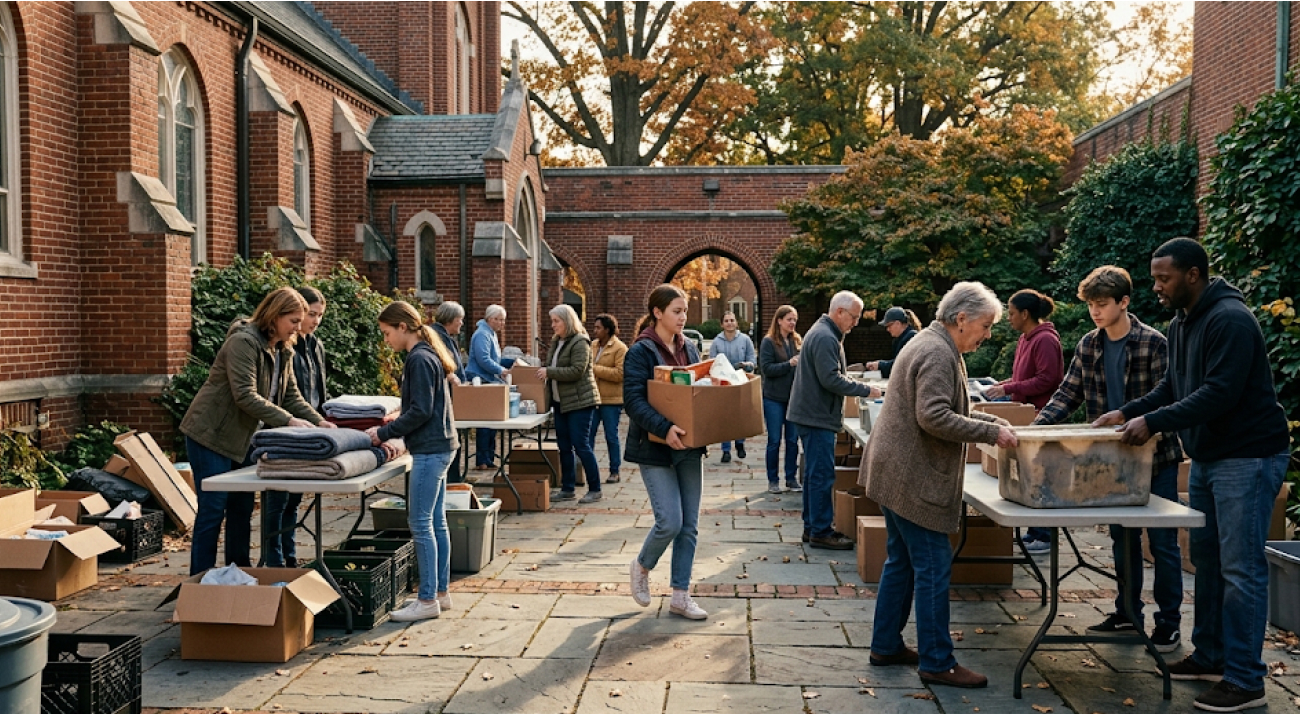
    Volunteers sort school supplies on tables inside a church hall

    Faith-based organizations often know families beyond school walls. Churches, ministries, and service groups may hear when a parent is struggling with transportation, when a student needs homework help, or when a caregiver does not know which program is open. That trust is valuable when it is paired with verified public information.

    The best role for community partners is not to replace the city program. It is to strengthen the surrounding support system. A congregation can host a parent information table after services, help families prepare documents if registration requires them, recruit background-checked volunteers where program leaders request help, or collect supplies requested by a specific site. A youth ministry can encourage attendance habits and celebrate students who commit to regular participation.

    Local civic and business groups also have a place in this work. Employers can support parents who need predictable pickup times. Chambers and service organizations can connect volunteers, donations, and public agencies with clearer communication. The same network is highlighted by the connection to Richland Chamber, providing insights into regional civic and business ties that could benefit community partnership development models.

    Clear boundaries matter. Volunteers should follow site rules, background-check requirements, and staff direction. Donation drives should match confirmed needs. Public posts should include dates, locations, and source information so families are not sent to the wrong place. Good intentions help most when they reduce confusion for parents and staff.

    Expanded After-School Programming In Detroit

    Detroit’s $2.2 million GOAL Line expansion is best understood as an access investment. The city added seven public sites and said the program could help nearly 1,000 more students during the school year. That is a concrete civic response to a common family need: safe, structured, useful time between school dismissal and the end of the workday.

    The next step is implementation that families can understand. City departments, schools, libraries, recreation centers, and community partners should keep details clear and current. Parents need to know where to register, what a site offers, who is eligible, how pickup works, and whom to contact with questions. Students need programs that are welcoming enough to attend regularly, not just once.

    For education and faith partners, the opportunity is practical service. Help families find accurate information. Ask site leaders what support is needed. Encourage regular attendance. Offer tutoring, mentoring, or supplies only through the proper channels. When public investment and trusted community support work in the same direction, more students have a fairer chance to use the after-school hours well.

  • Detroit Home Repair Task Force: What Changes

    Detroit Home Repair Task Force: What Changes

    The Detroit Home Repair effort changed on September 8, 2026, when Mayor Mary Sheffield issued an Executive Directive making home repair a major city priority and naming Heather Zygmontowicz as Senior Advisor on Home Repair. The City of Detroit said the directive established the Citywide Home Repair Task Force as the coordinating body for city agencies, nonprofits, funders, and repair partners working across Detroit neighborhoods Detroit home repair directive.

    For homeowners, the practical change is not a single new repair crew arriving at every address. The city’s stated shift is coordination: aligning programs, sharing data, reducing duplication, and building a longer-term repair strategy. That matters because Detroit’s repair needs are large, homes are often older, and many families need help with roof leaks, heat, plumbing, electrical hazards, and accessibility work before small defects become displacement risks.

    What Detroit Home Repair Coordination Changes

    Detroit Home Repair Task Force Role

    The Citywide Home Repair Task Force, or CHRTF, is intended to bring together dozens of repair providers, funders, and city departments. Based on the city’s announcement, the task force is not framed as a stand-alone application office. It is a citywide coordination structure. That distinction is helpful for residents and outreach workers: homeowners should still watch for specific program application periods, while community organizations should expect more emphasis on shared intake, data, referrals, and program alignment.

    In support services work, coordination often sounds abstract until a family is facing a leaking roof or unsafe wiring. A homeowner may qualify for one program but need a repair that another partner funds. A senior may need help gathering documents before an application deadline. A household with a disability may need access modifications, but also plumbing or heat repairs. A task force can help if it makes those handoffs clearer and reduces the need for residents to repeat the same story to multiple offices.

    What Coordination Can Mean At The Doorstep

    For neighborhood groups, block clubs, churches, and housing counselors, the near-term work is to explain what has changed without promising repairs the city has not promised. The task force gives Detroit a higher-level repair priority and a named senior advisor. It does not remove eligibility rules, funding limits, inspection needs, or application windows. Clear outreach should say that city coordination has increased, while individual repair assistance still depends on program rules and available funds.

    Saint Joseph Detroit has also covered related local steps in Detroit repair coordination, which connects the task force announcement with resident preparation. For community partners, the useful approach is steady: help homeowners identify urgent hazards, gather ownership and income documents, check property tax status, and track the next verified city notice.

    What Homeowners Could Expect From Programs

    Closed Application Window And Records

    The city’s fall Critical Home Repair Program application window opened on September 9, 2026 at 8 a.m. and closed on September 22, 2026 at 5 p.m., according to City of Detroit application materials cited in the research for this report. Because today is October 5, 2026, that application period has already ended. Residents should not treat that window as open. Homeowners who applied should keep confirmation records, copies of submitted documents, and any city communication in one place.

    The same city materials said the Critical Home Repair Program could provide free repairs for urgent problems such as leaking roofs, nonfunctional furnaces, electrical hazards, plumbing issues, and access modifications. Qualifications included owning and living in the home, being current on property taxes or enrolled in a payment plan, meeting income limits, and having in the household a child under 18, a senior age 62 or older, or a person with a disability.

    Those rules show why document readiness is a community outreach issue. Many homeowners do not start with a neat folder of deeds, tax paperwork, income records, disability documentation, and contractor notes. A support team can help residents prepare before the next window appears, without claiming that future funding or dates have been announced.

    • Ownership And Occupancy: Keep deed, mortgage, or other ownership records available, along with proof that the owner lives at the property.
    • Tax Status: Save property tax payment records or payment plan documentation if applicable.
    • Household Eligibility: Keep records related to income, age, disability status, or children in the household where required by a program.
    • Repair Evidence: Take clear notes on roof leaks, heat failure, plumbing problems, access barriers, or electrical concerns, and save any inspection or contractor documents.

    Repair Priorities Residents Should Track

    The city’s repair materials identify the most urgent categories as problems that affect safety, basic habitability, heat, water, and access. Residents should treat those categories differently from cosmetic updates. A leaking roof can lead to interior damage. Failed plumbing can affect sanitation. Unsafe wiring can create fire risk. Lack of heat can make a home unsafe during cold weather. Access modifications can determine whether a resident can remain safely in the home.

    For Detroit Home Repair outreach, the best message is practical and calm: list the health and safety issue first, document when it began, note whether it affects a senior, child, or person with a disability, and keep records together. If another application window opens, that preparation can reduce delays.

    Why Repair Needs Remain Larger Than Funding

    Older Detroit house exterior with visible roof and porch repair needs

    Older Homes And Safety Needs

    Detroit’s home repair need did not appear suddenly in September. The research for this report cites the CHRTF 2024 Home Repair Census, which said more than 30 organizations completed 3,058 home repair interventions in 2024 with more than $63 million in grants, loans, and related funding. The same research says that work reached neighborhoods where most Detroit residents live, while roof repair, plumbing, and HVAC were among the most common interventions.

    The city’s repair materials also reported that nearly 97% of homes entering the Detroit Home Repair Fund failed to meet basic survivability standards because of hazards such as roof leaks, failed plumbing, lack of heat, or unsafe wiring. Those findings help explain why a coordinated task force matters. A home with several serious defects may not be fully stabilized through one limited repair grant. Partners need a way to identify the highest-risk needs and connect residents to the right program at the right time.

    Housing age adds pressure. Research notes from city materials say more than 90% of Detroit homes were built before 1979, and the average home in the related repair data is nearly 100 years old. Older housing can be an asset for neighborhood stability, but it often requires major systems work. Roofs, furnaces, plumbing, wiring, porches, and accessibility features can all become expensive barriers for owners on fixed or limited incomes.

    The Funding Gap Residents Should Understand

    Outlier Media reported that the CHRTF estimate for major repair needs in Detroit exceeds $1 billion, while available funding remains short of that level Detroit repair funding gap. That figure should guide expectations. The new task force can improve coordination and priority-setting, but it does not mean every eligible household will receive every needed repair immediately.

    For homeowners, that gap makes early preparation more valuable. For community organizations, it points to the need for honest resident education. People should know that applications may be competitive, documents may be reviewed, repairs may be prioritized by urgency, and some needs may require referrals beyond one city program. Clear expectations can prevent frustration and help residents stay connected to legitimate assistance rather than unreliable offers.

    Repair work also connects to broader neighborhood stability. A home that remains safe and livable can help an older adult age in place, keep a child in the same school routine, and reduce pressure on emergency housing systems. Groups that work with homeowners, tenants, food programs, disability services, and senior outreach should treat repair referrals as part of a wider safety net. Civic and business partners in other communities, including the Richland Chamber, serve as a reminder that local networks often play a crucial role in assisting residents and small organizations in finding the appropriate support resources.

    What Detroit Home Repair Means For Homeowners

    Practical Steps After The Task Force Launch

    The next civic step is preparation, not panic. Homeowners who missed the September 2026 application window should not assume they are out of options forever, but they should wait for verified city notices before acting on a new deadline. They can use the time now to organize documents, take photos of urgent conditions, record repair dates, and ask trusted housing counselors or community groups for help understanding eligibility rules.

    Community outreach teams can support residents by hosting document-readiness sessions, explaining tax payment plan requirements, helping seniors sort paperwork, and warning residents against unverified contractors or unofficial application claims. They can also keep a referral sheet with city repair programs, nonprofit repair partners, weatherization resources, disability access supports, and emergency service contacts. The sheet should be updated only from verified sources.

    Detroit Home Repair is now a stated city priority with a task force structure, a senior advisor, and a public focus on coordination. Homeowners can expect more attention to how repair programs work together, but they should also expect eligibility rules, limited funds, and scheduled application periods to continue shaping access. The most useful response is local and practical: document the need, prepare the paperwork, track verified city updates, and connect residents with trusted support before the next repair window opens.

  • Urban Food Access Grants: Key Resident Steps

    Urban Food Access Grants: Key Resident Steps

    Progress on Urban Food Access programs is moving through state grant windows that matter for residents, small grocers, food pantries, senior advocates, and neighborhood outreach teams. As of October 3, 2026, the clearest active deadlines in the research are in Illinois and Maryland, where public agencies have opened or announced funding tied to grocery availability, healthy food sales, and service in low-access communities.

    For Detroit-area residents and support organizations, these programs are not local grants unless Michigan agencies or eligible local partners announce matching opportunities. They still offer a useful civic lesson: food access work often depends on store financing, equipment, delivery capacity, public application deadlines, and residents who know how to ask the right questions before funding decisions are made. Local outreach teams can use these examples to prepare stronger neighborhood needs lists, partner maps, and resident feedback for future city, county, state, or philanthropic food-access planning.

    How Urban Food Access Programs Are Moving From Aid To Storefronts

    Illinois Grocery Grants Focus On Food Deserts

    Illinois announced on September 10, 2026, that $26 million would be available through the Illinois Grocery Initiative Grant Program to support grocery stores in food deserts, according to the Governor’s Office announcement on the Illinois grocery grants. The program includes $20.8 million for new stores in food deserts, $750,000 for equipment upgrades at existing stores, and $4.5 million through a Grocery Rescue Program for reopening stores that closed during the previous 12 months.

    The application deadline for the Illinois New Stores in Food Deserts grant is December 9, 2026. The equipment upgrade and grocery rescue portions are listed in the research as rolling programs. That timing gives community groups a short but real window to identify whether eligible operators, local development groups, or nonprofit partners are prepared to apply. Residents are not usually the direct applicants in these store-development grant models, but they can document grocery gaps, transportation barriers, store closures, and the needs of seniors, families, and people with disabilities.

    Maryland’s Healthy Food Retail Window Is Open

    Maryland’s NourishMD Grant Program had a soft launch on September 10, 2026, and its official portal opened on September 22, 2026. Applications are accepted through November 2, 2026, according to the Maryland Department of Housing and Community Development’s NourishMD program page. The research states that the program includes up to $3.67 million in total funding, combining $2 million in state support and $1.67 million in federal funding.

    Maryland’s grants range from $25,000 to $150,000 for eligible retailers in areas with a Fresh Food Gap Score of at least 65. The program is aimed at expanding access to healthy foods. For neighborhood outreach groups, that detail matters because it shows how food-access programs can use measured need, not only public concern, to guide funding. A strong local request often connects resident experience with documented access gaps, store conditions, transportation limits, and the ability of a retailer or partner to keep healthy food available after a grant is awarded.

    What Residents Should Ask Before Food Access Deadlines

    Questions For Stores, Nonprofits, And Local Officials

    Urban Food Access work is often discussed as if the main challenge is a single missing grocery store. The Illinois and Maryland examples show a wider set of needs. A community may need a new store, a reopened store, better refrigeration, pharmacy access, fresh produce equipment, delivery coordination, or support for retailers that already serve residents but cannot afford upgrades. Residents can help by asking practical questions at public meetings, neighborhood association sessions, food pantry gatherings, and small-business forums.

    • Which census tracts or neighborhoods are considered low-access areas? This helps residents understand whether a grant target matches daily shopping barriers.
    • Who is eligible to apply? Some programs serve retailers, while others may involve nonprofits, local governments, or community development partners.
    • What will change for shoppers? A useful proposal should explain food categories, hours, transportation, pricing, payment options, and outreach to nearby residents.
    • How will seniors and people without cars be included? Store investment matters more when paired with delivery, transit knowledge, safe walking routes, or nearby pickup options.
    • How will residents learn about the service? Flyers, pantry referrals, senior building notices, school partners, and faith-based outreach can reduce confusion after launch.

    Those questions are not meant to slow down applications. They help applicants show a clearer public benefit. In food-access work, a grant proposal gains strength when residents can point to specific barriers, not only general need. For example, a neighborhood may have a store nearby but lack fresh produce, pharmacy service, accessible entrances, or reliable hours. Another area may have a grocery option across a major road, but no practical transit or safe walking path for many residents.

    What Urban Food Access Means For Detroit Outreach

    Lessons For Local Support Services

    For residents, Urban Food Access is about daily life: where groceries can be bought, whether healthy food is affordable, whether seniors can get food without unsafe travel, and whether families have options when a store closes. Detroit support organizations can use the Illinois and Maryland examples as planning prompts, even when the grants are not directed to Michigan. The key step is to turn broad concern into local documentation that can support future applications, budget requests, and partnerships.

    Detroit outreach teams can build a shared food-access worksheet that names closed stores, pantry schedules, senior housing sites, bus-route concerns, delivery needs, refrigeration limits, and resident requests. Saint Joseph Detroit has covered related local food planning through its reporting on an urban agriculture grant, which connects food access with outreach, gardens, food hubs, composting, and neighborhood planning. Storefront grocery work and urban agriculture are different tools, but both depend on coordination and trusted resident contact.

    Regional civic groups can also help residents compare grant models, share plain-language deadlines, and keep public attention on practical next steps. Related community outreach is further supported by the One United Michigan website, which provides broader civic awareness for residents tracking public programs across neighborhoods and agencies.

    How Outreach Teams Can Prepare Stronger Food Access Requests

    Volunteers reviewing forms, maps, and grocery needs at a meeting table

    Build The Case Before A Grant Opens

    The most useful preparation often happens before an application portal opens. Outreach teams can collect resident input without promising that a grant will be awarded. They can ask where people shop, what items are hard to find, whether transportation limits affect food choices, and which services would help most. They can also identify nearby retailers that may be eligible for equipment, reopening, or healthy food support if a future Michigan, county, or city program becomes available.

    Faith communities, block clubs, food pantries, senior buildings, school family groups, and neighborhood associations can each contribute a different piece of the record. Pantries know emergency demand. Senior sites know mobility barriers. Schools hear from families when groceries run short. Small retailers know the cost of equipment, staffing, refrigeration, and inventory. Local government staff can connect those observations to maps, grant rules, and public notices.

    Good preparation also includes clear limits. Residents should be told which programs are active in other states, which deadlines have passed, and which opportunities are open only to eligible applicants. As of October 3, 2026, the Illinois New Stores deadline and Maryland NourishMD deadline remain future dates, while other food-access opportunities in the research had earlier 2026 deadlines. That means local groups should avoid promoting closed applications as open opportunities and should focus on verified current notices before advising residents or retailers.

    Resident Action Steps For Urban Food Access

    Urban Food Access planning works best when residents, retailers, service providers, and public agencies each know their role. Residents can report barriers and attend local meetings. Retailers can review eligibility and prepare cost estimates. Nonprofits can document need, coordinate outreach, and help connect residents to services. Public officials can make deadlines visible, explain program limits, and invite feedback before proposals are finalized.

    The Illinois and Maryland programs show that public funding can address more than one part of the grocery problem. New stores, reopened stores, equipment upgrades, healthy food retail, and targeted eligibility rules all point toward a practical model: identify the access gap, match it with the right applicant, and make sure residents know what will change. For Detroit and other Michigan communities, the immediate step is preparation. A current list of food gaps, resident needs, potential partners, and service barriers can help local groups respond quickly when the next verified food-access funding window opens.

  • RenCen redevelopment: How Residents Can Engage

    RenCen redevelopment: How Residents Can Engage

    The RenCen redevelopment public process is now in Detroit’s formal Community Benefits Ordinance phase, with meetings scheduled through October 27, 2026 for residents who want to comment on housing, public space, waterfront access, construction impacts, and community benefits. The City of Detroit describes the Renaissance Center and East Riverfront proposal as a Tier 1 CBO project covering more than 40 acres, with plans that include 934 mixed-income residential units, more than 470,000 square feet of retail, entertainment, dining, and recreation uses, a renewed 858-room hotel, and about 17 acres of parks, plazas, waterfront greens, and a new marina, according to the City’s project engagement page.

    For residents, the main change is practical: the project is no longer only a development concept. It is inside a public review process that gives Detroiters specific dates, locations, and roles for raising concerns. That does not mean every resident will have the same formal vote. It does mean comments can be directed toward the Neighborhood Advisory Council, City staff, and public meeting records while the community benefits package is being shaped.

    RenCen redevelopment Engagement Timeline

    RenCen redevelopment Dates Residents Should Know

    The formal public engagement process began with the first CBO meeting on August 18, 2026. The City’s public notice said the meeting introduced residents to the project and the CBO process, with both in-person and virtual participation options available through the City of Detroit’s community benefits notice. That first meeting mattered because it started the public record for community concerns and introduced the rules that guide how the City gathers input.

    For the RenCen redevelopment, the City lists public Neighborhood Advisory Council meetings on Tuesdays at 6 p.m., with doors opening at 5:30 p.m., at the Coleman A. Young Municipal Center – Erma Henderson Auditorium. The City also lists Zoom options. The meeting series is scheduled through October 27, 2026, when the community benefits package is expected to be finalized under the listed schedule.

    What The CBO Timeline Means For Residents

    The timeline is short, so residents and neighborhood organizations benefit from preparing comments before arriving. A useful comment should identify the issue, name who is affected, and suggest a specific response. For example, instead of saying that traffic may be a concern, a resident could ask how construction routing will affect buses, pedestrians, drivers, and riverfront users near the site. Instead of asking generally for public space, a neighborhood group could ask how waterfront greens, plazas, walkways, and recreation areas will remain accessible to residents after construction.

    Detroiters who cannot attend every meeting can still track what topics have already been raised and prepare written comments. Public participation is stronger when residents avoid repeating only broad support or opposition and instead add clear details about safety, access, housing affordability, public space, employment pathways, and long-term maintenance responsibilities.

    How The Neighborhood Advisory Council Works

    Who Represents The Impact Area

    The City’s process includes a nine-member Neighborhood Advisory Council. According to the City’s project information, residents in the defined impact area elected two members on September 1, 2026. The remaining seven members were appointed by Detroit City Council members and the Planning & Development Department. The NAC is responsible for reviewing impacts, community benefits, and mitigation proposals during the CBO process.

    For residents outside the formal impact area, the process can feel narrow. The research provided for this story notes that some residents have questioned whether the impact area captures the full citywide interest in a large downtown and riverfront project. That concern should be raised through specific process questions: who is counted, how comments from residents outside the impact area are recorded, and how citywide issues such as public access, transit connections, and public costs will be addressed before approvals are considered.

    How Residents Can Prepare Useful Input

    Public comments work best when they connect lived experience with a requested action. Residents can ask the NAC to request written answers from the development team or City staff. They can ask whether the benefits package will include measurable commitments, reporting dates, or enforcement steps. They can also ask whether concerns raised in public meetings will be summarized in plain language before the final package is set.

    A neighborhood association, church outreach team, tenant group, senior group, or youth-serving organization can gather comments before a meeting and send one organized statement. That approach helps residents who work evenings, lack transportation, or cannot join Zoom. It also helps the NAC see patterns rather than scattered comments. For readers following the earlier advisory council stage, Saint Joseph Detroit’s report on NAC election next steps explains why the September election was a key point in the public process.

    • Before a meeting: Write down one issue, one affected group, and one requested action.
    • During a meeting: Ask for dates, responsible parties, and how answers will be shared.
    • After a meeting: Send written comments so they can be recorded clearly.
    • As a group: Combine resident feedback into themes such as housing, access, traffic, jobs, parks, and construction impacts.

    What Residents Can Ask Before October 27

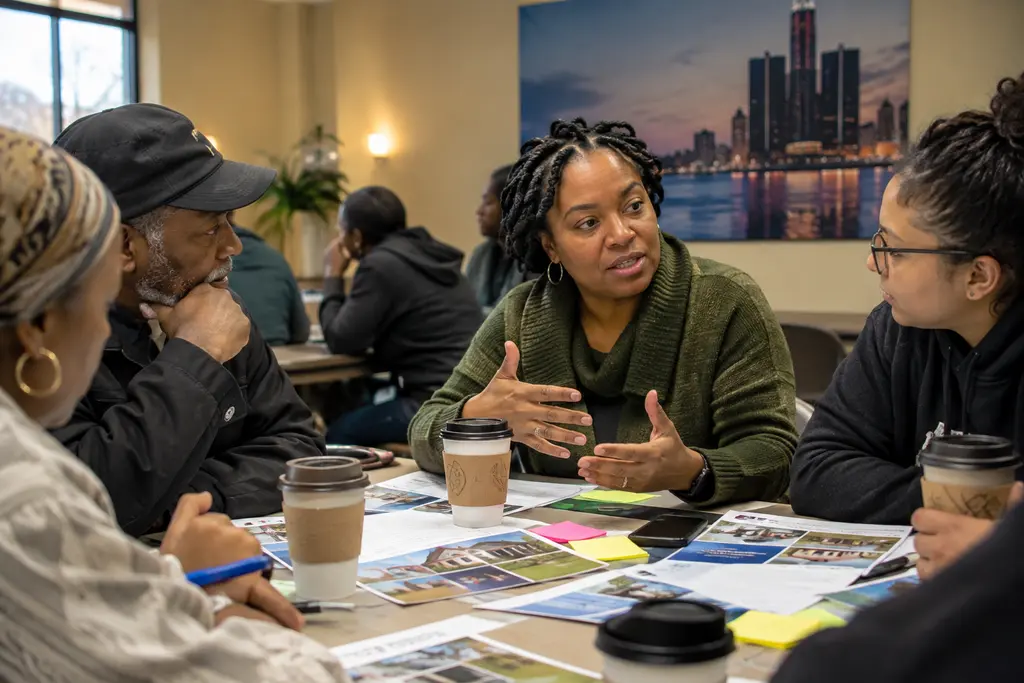
    Detroit residents reviewing project maps and taking notes together

    Questions About Housing And Public Space

    The City’s project description says the proposal includes 934 mixed-income residential units. Residents can ask how affordability levels will be defined, how long affordability commitments would last, and whether units will serve a range of household sizes. A clear answer matters because “mixed-income” can mean different things unless income levels, unit counts, and time periods are stated in public documents.

    Public space is another major issue. The City’s listed project description includes about 17 acres of parks, plazas, waterfront greens, and a new marina. Residents can ask how those areas will connect to existing riverfront access, how public use will be protected, what hours or rules may apply, and who will maintain the spaces. Public access questions should be direct because a space can appear open in a rendering but operate differently after construction.

    Questions About Construction And Mitigation

    Construction would affect people who live, work, commute, worship, or receive services near downtown and the East Riverfront. Residents can ask about dust, noise, truck routes, sidewalk closures, bus access, emergency access, parking changes, and communication during each phase. Organizations serving older adults, children, people with disabilities, and low-income households should ask how disruptions will be communicated in ways that reach people without relying only on web updates.

    The CBO process is designed to identify impacts and benefits before final decisions are made. Residents should press for mitigation steps that are specific enough to evaluate later. A promise to “communicate with the community” is weaker than a schedule of public updates, a named contact office, translated materials where needed, and a clear way to report construction-related access problems.

    Readers comparing public engagement models across the region can also explore detailed insights through ITPR, a related site in the same network.

    RenCen redevelopment Engagement Steps For Detroit

    The most useful next step is for residents to match their concern to the correct public forum before October 27, 2026. A resident focused on traffic should prepare questions about truck routes, transit access, and sidewalk closures. A housing advocate should ask for affordability definitions and reporting. A riverfront user should ask how public access will be guaranteed. A neighborhood organization should submit written comments that show how the project could affect residents beyond the immediate site.

    The RenCen redevelopment is one of the most visible civic decisions before Detroit residents in October 2026, but the engagement tools are familiar: attend the listed meetings, submit written comments, ask for clear commitments, and track whether public concerns appear in the final benefits package. The process will be stronger if residents bring practical questions tied to daily life, not just general opinions about the skyline or the project’s scale.

    Detroit’s CBO process gives the community a defined window to speak before the benefits package is finalized. Residents who want safer access, useful public space, fair housing commitments, and clear construction protections should use that window now, with comments that City staff, the NAC, and decision-makers can record and answer.

  • Free Student Transit Helps Detroit K-12 Riders

    Free Student Transit Helps Detroit K-12 Riders

    Free student transit changed a daily family decision in Detroit on April 6, 2026: whether the cost of getting across town could stand between a student and school, tutoring, practice, a library visit, or an after-school program. The City of Detroit said Mayor Mary Sheffield and the Detroit Department of Transportation launched “Ride to Rise: Show ID, Students Ride Free,” allowing Detroit K-12 students ages 5 to 18 in public, charter, or private schools to ride DDOT buses at no cost by showing a valid school-issued ID; the city also said the service applies any time, seven days a week, 365 days a year, and is intended to reduce chronic absenteeism, support enrichment access, ease family costs, and build transit habits according to the City of Detroit.

    For churches, school partners, mentoring groups, youth ministries, and neighborhood support teams, the program is more than a fare change. It creates a practical way to connect students with help that often sits outside the school building. If a young person can reach tutoring, counseling, a meal site, a faith-based youth group, or a college-readiness workshop without asking a family to cover another fare, community networks have a better chance of staying connected to the students they serve.

    What Free Student Transit Changed For Detroit Families

    Free Student Transit Access Rules

    The access rule is simple: show a valid school-issued ID. That matters because programs with long forms, special applications, or limited enrollment windows can leave families unsure about whether a student qualifies. Under the city’s announcement, Detroit K-12 students in public, charter, and private schools are eligible, and no separate fare card process was described in the launch information.

    Free student transit may be especially useful for families balancing school schedules with work shifts, sibling care, medical appointments, and after-school activities. A no-cost DDOT ride does not solve every transportation barrier, such as weather, route timing, transfers, or safety planning. It does remove one recurring cost from the trip, which can help families plan around school attendance and youth programming with a little less financial strain.

    Why School ID Simplicity Matters

    A school ID-based program gives educators and community partners a clear message to repeat: keep the ID, show the ID, ride the bus. That simple instruction can be shared by principals, attendance teams, parish volunteers, coaches, youth workers, and after-school staff. It also gives families one point to check before the week begins: whether the student has a current school-issued ID in a safe place.

    For students who split time between school, work, home, family responsibilities, and enrichment, a consistent transit rule can reduce confusion. The strongest local response will come from adults who pair the fare benefit with route planning, emergency contact planning, and clear expectations about when and where students should travel.

    How The Initiative Supports Attendance And Enrichment

    Attendance Barriers Are Often Practical

    The city connected Ride to Rise with a goal of reducing chronic absenteeism. That link is reasonable to treat as a civic priority because transportation is one of the practical issues families and schools often work around. A student may be ready to learn but still miss time because the trip to school is unreliable, expensive, or hard to coordinate across a household.

    ClickOnDetroit reported on April 6, 2026, that Detroit Public Schools Community District estimated about 14,000 high school students rely on city buses, and that the district had previously spent about $700,000 each year on student bus passes; the report also said officials expected savings to support student programming and enrichment efforts ClickOnDetroit reported. Those figures show why transportation policy belongs in education conversations, not just transit planning.

    After-School Access Needs A Community Plan

    Free student transit can help students reach tutoring, arts, athletics, mentoring, library resources, internships, and faith-based youth support, but access still depends on coordination. A bus ride is most useful when program hours, route options, pickup expectations, and family communication are clear.

    Community groups can help by building a shared planning habit. Youth workers can ask students how they will get home before a program starts. Schools can remind families to check DDOT routes before the first week of a club or practice. Congregations can train volunteers to help families read schedules without making promises about routes or arrival times. For readers following related civic education work across partner community sites, the local resource Houston LWS Forum serves as a parallel in how communities can leverage information networks to connect families with support effectively.

    What Schools, Churches, And Youth Groups Can Do

    Community volunteers helping students review transit routes at a table

    Build Transit Readiness Into Student Support

    The best local response is not to assume every student already knows how to use DDOT confidently. Some students may be experienced riders. Others may need help understanding route numbers, transfers, stop locations, travel time, and what to do if plans change. Adult support should be calm, specific, and age-appropriate.

    Schools and community partners can use the first weeks of a program, club, tutoring cycle, or youth ministry schedule to confirm transportation details. The goal is not to replace a family’s decision-making. The goal is to help families make informed plans, especially for younger students or students traveling farther for enrichment opportunities.

    • Check the ID: Help families confirm that the student has a valid school-issued ID before relying on no-cost DDOT access.
    • Plan the route: Encourage students and caregivers to review routes, transfers, stop locations, and travel time before the first trip.
    • Set contact rules: Make sure students know who to call if they miss a bus, feel unsafe, or need a pickup plan.
    • Coordinate program hours: Align tutoring, youth group, practice, and mentoring schedules with realistic travel time.
    • Share verified information: Use city, school, and DDOT communications rather than rumors or old social posts.

    Saint Joseph Detroit has covered a closely related planning angle through student transit readiness, with attention to attendance, safety planning, and after-school access. That kind of local follow-through is where a citywide transit benefit becomes useful in daily life.

    Faith Communities Can Strengthen The Safety Net

    Faith communities often know which students need encouragement, which families are under pressure, and which after-school supports are trusted. They can help by keeping the message accurate: the program is a DDOT student fare benefit tied to a valid school ID, not a general replacement for school bus service, family transportation plans, or adult supervision.

    A church or parish youth team might host a route-planning night, pair older student mentors with younger riders for education sessions, or ask volunteers to help families review schedules before a new program begins. Those supports should stay within safe boundaries and follow school, caregiver, and organizational policies.

    Detroit Free Student Transit Next Steps For Support Networks

    On October 1, 2026, the key civic task is follow-through. Detroit’s Ride to Rise program has already moved past its April 6 launch date, so families and organizations should treat it as an active support tool while continuing to confirm details through schools, DDOT, and city communications. Free student transit works best when it is paired with reliable information, family planning, and safe program design.

    Local education and faith partners can take three practical steps now. First, include DDOT access and school ID reminders in attendance outreach. Second, build transportation questions into after-school registration and mentoring intake forms. Third, keep one staff member or volunteer responsible for checking official updates before sharing transportation information with families.

    Detroit students benefit most when public agencies, schools, families, congregations, and neighborhood programs pull in the same direction. The fare change opens a door. The community work is making sure students know how to walk through it safely, consistently, and with support waiting at the other end.

  • Home Repair Town Halls Set Civic Next Steps

    Home Repair Town Halls Set Civic Next Steps

    As of October 1, 2026, home repair town halls and related public meetings are giving residents a practical way to ask how repair aid, weatherization support, and homeowner services will reach households that need help. Two source-verified civic items stand out: a Virginia open meeting on weatherization access scheduled for October 26, 2026, and a City of Marion, Indiana feedback session planned for October 2026 with the exact day still to be announced. Both items matter for homeowners, renters supporting older relatives, neighborhood organizations, churches, and outreach teams that help residents understand repair options before small housing problems become larger safety or cost concerns.

    Home Repair Town Halls With Dates To Watch

    The clearest first step for residents is to separate dated meetings from general interest notices. The Virginia Department of Housing and Community Development lists an Energy Efficiency and Weatherization Task Force meeting for October 26, 2026. The task force is described as a public, open meeting space addressing barriers to access in existing weatherization and home energy-efficiency repair programs for low-income households, with planning connected to whole-home retrofits, according to the Virginia DHCD task force page.

    In Marion, Indiana, the city notice describes a Home Repair Assistance Program expansion tied to critical repairs such as roof, HVAC, and accessibility work. The research available for this article identifies the feedback session as planned for October 2026, with the exact day still listed as to be determined. The City of Marion has said it is seeking $350,000 to assist homeowners with critical home repairs through the Marion home repair assistance notice.

    Home Repair Town Halls Need Clear Questions

    Effective home repair town halls work best when residents arrive with specific questions. A homeowner might ask whether roof replacement, furnace repair, plumbing, electrical work, accessibility changes, or energy upgrades are eligible. A caregiver might ask whether a senior homeowner can receive help if another family member assists with paperwork. A neighborhood group might ask how outreach will reach households without reliable internet access. These questions help agencies hear the difference between a written program rule and the daily barriers residents face.

    Public Meetings Are Different From Applications

    A public meeting is not the same as an application window. The October 26 Virginia meeting is a policy and access discussion tied to weatherization and energy-efficiency repair programs. The Marion session, based on the available city notice, is a feedback opportunity connected to program expansion. Residents should bring questions, but they should also ask where formal applications will be posted, what documents may be required, and which office will confirm eligibility.

    What The Virginia Weatherization Meeting Covers

    The Virginia meeting is important because home repair and energy-efficiency work often overlap. A household may need insulation, air sealing, heating-system improvements, or other energy-related repairs. If an older home has deferred maintenance, a family may also need guidance on how weatherization connects with broader whole-home repair planning. The DHCD task force language points to access barriers in existing programs for low-income households, so outreach groups should listen for details about eligibility, referrals, waitlists, inspection steps, and local partners.

    Access Barriers And Whole-Home Repairs

    For home repair town halls tied to energy work, access barriers can include paperwork, awareness, property conditions, transportation to appointments, language access, and uncertainty about which agency handles which repair. The research does not provide local outcome targets for the Virginia meeting, so residents should avoid assuming that a new benefit will be announced on October 26, 2026. The safer civic use of the meeting is to ask how existing programs can become easier to reach and how whole-home retrofit planning may help households with layered repair needs.

    Community organizations can use the meeting to prepare better referrals. If an agency explains that certain repairs must happen before weatherization work can proceed, outreach teams can build checklists for residents. If the meeting identifies common missing documents, churches and neighborhood centers can host document-preparation sessions. If officials describe partner agencies, local groups can update their referral sheets rather than sending residents through multiple disconnected phone calls.

    What Marion’s Feedback Session Could Clarify

    The Marion notice is focused on helping homeowners with critical repairs, and the listed examples from the research include roof, HVAC, and accessibility needs. Because the exact October 2026 meeting date has not been provided in the available research, residents should treat the session as pending until the city posts the day, time, location, and participation details. The key civic task now is preparation: homeowners and advocates can organize examples of repair needs, common application barriers, and questions about how the proposed assistance would be prioritized.

    Repair Categories Residents Can Raise

    Residents can ask whether the program will rank repairs by safety risk, household income, age of the property, disability access, or urgency. They can ask whether a roof leak, broken furnace, unsafe steps, or inaccessible bathroom would be reviewed in the same process. They can also ask how homeowners will be notified if funds are limited, how contractors will be selected, and how the city will prevent residents from missing the application period.

    For Detroit-area groups watching home repair town halls in other cities, Marion serves as a useful example in service planning. Repair programs tend to be more understandable for residents when public notices outline eligible work, funding limits, application steps, and who can help with paperwork. To keep updated on related developments, residents can follow County Watchers for coverage across different communities.

    How Neighborhood Groups Can Prepare

    Volunteers organize resident questions for a housing support meeting

    Neighborhood organizations, schools, churches, senior groups, and block clubs can make these meetings more useful by helping residents prepare before the meeting date. A short pre-meeting conversation can identify the repair issues families are facing, the documents they struggle to gather, and the questions they want officials to answer. Outreach teams should keep the focus on service access, not partisan debate, because repair programs work best when residents can state needs clearly and agencies can explain next steps.

    Practical Questions For Residents

    Before attending or submitting comments, residents can write down the address of the affected property, the type of repair needed, whether the home is owner-occupied, and whether the repair affects health, safety, accessibility, or utility costs. They should avoid sharing private medical or financial details in a public room unless an agency has a secure intake process. The public comment goal is to show patterns: leaking roofs, unsafe heating, high energy costs, accessibility barriers, or lack of contractor information.

    • Ask about eligibility: Who can apply, and are income, ownership, residency, or property-condition rules involved?
    • Ask about timing: When will applications open, and how will residents receive notice?
    • Ask about documents: What proof will be needed before a repair can be approved?
    • Ask about help: Which office or partner can assist residents who need support completing forms?
    • Ask about follow-up: How will agencies report what they heard and what changes they plan to make?

    Residents tracking civic notices across different communities can also follow related public-service coverage through County Watchers. The value of these meetings is strongest when local groups turn public information into plain-language reminders, phone trees, printed flyers, and referral support for people who may not see an online notice.

    Home Repair Town Halls And Support Services

    Used well, home repair town halls can connect resident experience with agency planning. The Virginia meeting gives residents and service groups a dated opportunity on October 26, 2026, to pay attention to weatherization access and whole-home retrofit planning. The Marion feedback session, once its exact October 2026 date is posted, gives homeowners and advocates a chance to respond to a proposed repair-assistance expansion tied to roof, HVAC, accessibility, and other critical needs.

    The most useful civic response is simple: confirm the meeting date, read the official notice, prepare questions, protect private information, and ask how residents will receive follow-up. Repair and support-service programs can be difficult for families to track. Clear community engagement helps agencies hear where the process breaks down and helps residents understand what they can do next.

  • Ride to Rise: Student Transit Readiness

    Ride to Rise: Student Transit Readiness

    On April 6, 2026, the City of Detroit and DDOT announced Ride to Rise, a student transportation program allowing Detroit K-12 students in public, private, and charter schools to ride standard DDOT city buses free by showing a valid school-issued ID, according to the City of Detroit’s official program announcement. The change matters for school attendance, family budgets, after-school access, and youth support work across the city. It gives students a no-fare route to school and to approved activities, without an app, a special pass, or extra paperwork beyond school identification.

    The program was especially relevant by September 30, 2026, because Detroit families had already passed the August 24, 2026, first day of school for most students under the city’s Day One Ready effort. For parents, guardians, educators, churches, and youth mentors, the question is no longer whether the program is available. The practical question is how to help students use it safely, consistently, and with a clear plan for school-day and after-school travel.

    What Ride to Rise Changed For Detroit Students

    Ride to Rise Eligibility And Daily Use

    The City of Detroit said the program applies to all K-12 students in Detroit, including those attending public, private, and charter schools. Students show a valid school-issued ID when boarding a standard DDOT bus. The city described the service as available all day, every day, across standard DDOT routes, 7 days a week and 365 days a year. That makes the program broader than a morning-and-afternoon school commute tool.

    For students who attend after-school tutoring, libraries, internships, sports, youth ministry, mentoring sessions, or arts programming, a no-fare DDOT ride can extend access beyond the school bell. The City of Detroit identified those wider opportunities as part of the program’s purpose. For a family with more than one student, daily fare savings may also help reduce transportation strain, especially when youth need to travel for both school and enrichment.

    The Attendance Link For High School Students

    The city reported that roughly 14,000 Detroit students depend on city buses to get to high school. That figure explains why transportation readiness belongs in attendance planning. A student can be enrolled, have school supplies, and know the classroom schedule, yet still miss time if the route, ID, timing, or backup plan is unclear.

    The city also described reducing chronic absenteeism as a core goal. That goal is practical, not abstract. If a student misses the bus, loses an ID, transfers routes without help, or does not understand where to board after practice, attendance can suffer. Schools and families can respond by treating transit planning as part of school readiness, alongside registration, uniforms, meals, and homework routines.

    How Families And Schools Can Build Transit Readiness

    Start With A Route Plan Before Problems Appear

    A useful plan should name the route, the usual stop, the expected boarding time, the transfer point if one is needed, and the return-home option after school activities. Families should also decide what a student should do if a bus is missed, a phone battery dies, or a stop feels unsafe. Those decisions should be made before the student is under stress.

    Schools can help by reminding students to keep school IDs accessible and in good condition. Since the program depends on showing school-issued identification, a lost or damaged ID can become a transportation problem. Main offices, counselors, attendance teams, and family liaisons can reduce confusion by explaining how replacement IDs are handled at their own schools.

    • Check the ID: Make sure the student has a valid school-issued ID before the school week begins.
    • Practice the route: Review the bus stop, route number, and return-home plan with the student.
    • Name a backup contact: Choose one adult the student can call if travel plans break down.
    • Plan after-school travel: Confirm how the student gets home after tutoring, sports, work, or youth programs.

    Use The Pilot Period As A Learning Window

    The initial rollout was described as a six-month pilot that began April 1, 2026, with city plans to make the program permanent. By late September 2026, families, schools, and support organizations had several months of lived experience to review. The City of Detroit also reported that DDOT student ridership doubled in April and May 2026 compared with the period before the program. That increase points to a clear need for student-focused transit support.

    An earlier local report on how free DDOT student access expanded noted the importance of planning around school ID use and family communication. That same need remains as students settle into fall routines. Access is strongest when adults help students convert a free ride into a reliable route.

    Why Safety Support Matters During Student Travel

    Ambassadors And Transit Presence

    The City of Detroit’s youth and education information described a safety component connected to the program, including Ride to Rise Ambassadors, Detroit Police Department Transit Unit members, and Neighborhood Police Officers on buses, at transit centers, and near high school bus stops during peak travel times. The city described daily deployment of about 50 to 100 city employees in that support effort.

    For families, that safety piece should be paired with household guidance. Students should know where to stand, how to keep personal items secure, which adult to contact, and what to do if a stop is crowded or unfamiliar. Safety planning should also include after-school travel, because a student returning from a library, internship, or practice may be riding at a different hour than the regular dismissal period.

    What Schools Can Communicate Clearly

    Schools can support student travel by repeating simple, verified information. A short reminder during orientation, advisory period, or family night can explain that standard DDOT rides are free for Detroit K-12 students with valid school-issued ID. Schools should avoid making promises beyond what the city has stated and should direct route-specific questions to DDOT information channels.

    Attendance teams can also ask transportation questions early when a student begins missing class. The issue may not be willingness to attend. It may be a lost ID, an unclear transfer, a changed household schedule, or a student who does not know how to reach an after-school program and still get home safely. Asking those questions respectfully can connect families to a solvable barrier.

    Faith And Community Partners Can Support Daily Readiness

    Volunteers preparing school supplies and transit information for families

    Churches, Youth Ministries, And Mentors

    Faith-based organizations in Detroit often support students through mentoring, tutoring, meals, school supply drives, youth groups, and family outreach. Those same groups can help with transportation readiness without replacing the role of DDOT, schools, or parents. A church youth leader can remind students to bring school ID. A tutoring site can post pickup and dismissal expectations. A mentor can help a student practice reading a route schedule with a parent or guardian present.

    Community partners should keep messages factual and limited to verified program details. They should not create their own eligibility rules or tell students that nonstandard services are covered unless DDOT or the city has said so. The reliable message is simple: Detroit K-12 students can ride standard DDOT buses for free by showing a valid school-issued ID.

    Groups connected with regional civic service networks, including Trinity Chamber, can treat student transit readiness as an integral part of broader family support services. By utilizing similar approaches from other supportive programs, they can ensure transportation barriers are addressed through verified information and directed assistance to the right resources.

    Practical Support Without Overstepping

    Community organizations can help families prepare checklists, host school-year readiness conversations, and encourage parents to review bus plans with students. They can also coordinate with schools before offering advice about IDs, attendance concerns, or dismissal timing. That protects families from mixed messages and keeps support aligned with official school procedures.

    For private and parochial schools, the program is especially important because the city announcement included students across public, private, and charter settings. Faith-driven educators can include transportation reminders in parent communications, student assemblies, or back-to-school resource tables. They can also ask whether students who attend after-school faith formation, choir, service projects, or tutoring have a safe return-home plan.

    Ride to Rise And Student Readiness In Detroit

    The main civic value of Ride to Rise is that it removes a fare barrier for Detroit students while giving families a clearer way to build transportation into school readiness. The City of Detroit reported a $1 million state funding allocation to support the program for the 2026-27 school year, and city communications described the effort as part of a wider Day One Ready push focused on enrollment, preparation, and transportation planning.

    For students, the daily steps remain simple: carry a valid school-issued ID, know the route, allow enough time, and have a backup contact. For parents and guardians, the work is to check the plan before the week begins and revisit it when school schedules change. For schools, the task is to communicate the rules clearly and help students solve ID or attendance barriers quickly.

    Detroit’s churches, education partners, and youth-serving organizations can strengthen the program by keeping information accurate and student-centered. A free ride is not the whole answer to attendance, safety, or after-school access. It is a strong tool when paired with adult guidance, school communication, and a student who knows how to get where they need to go and how to get home.