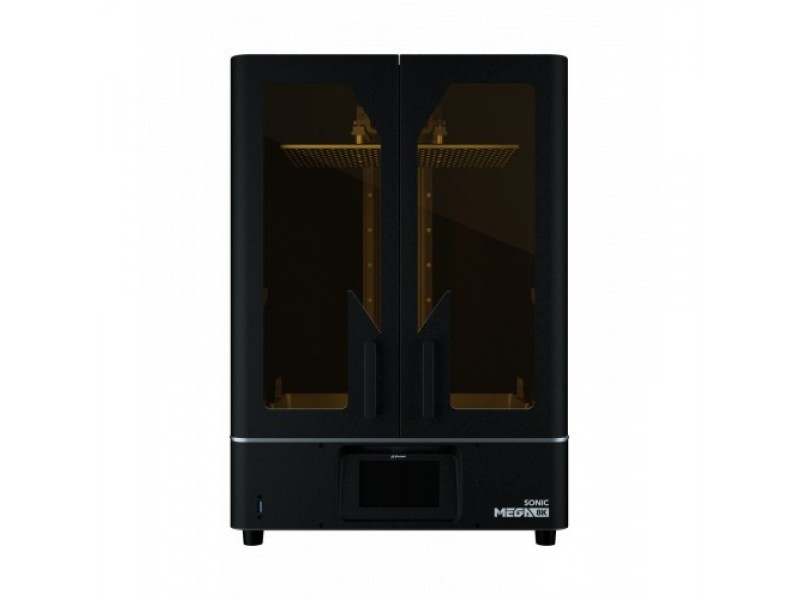
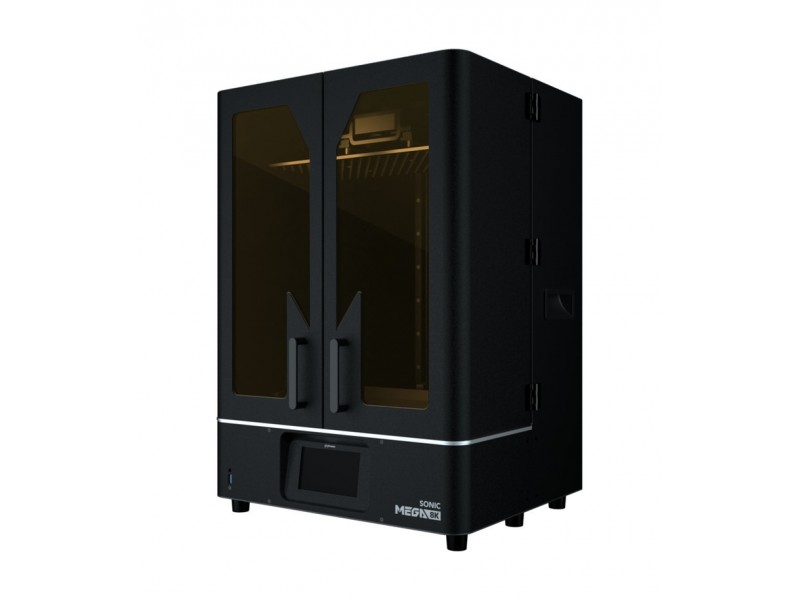
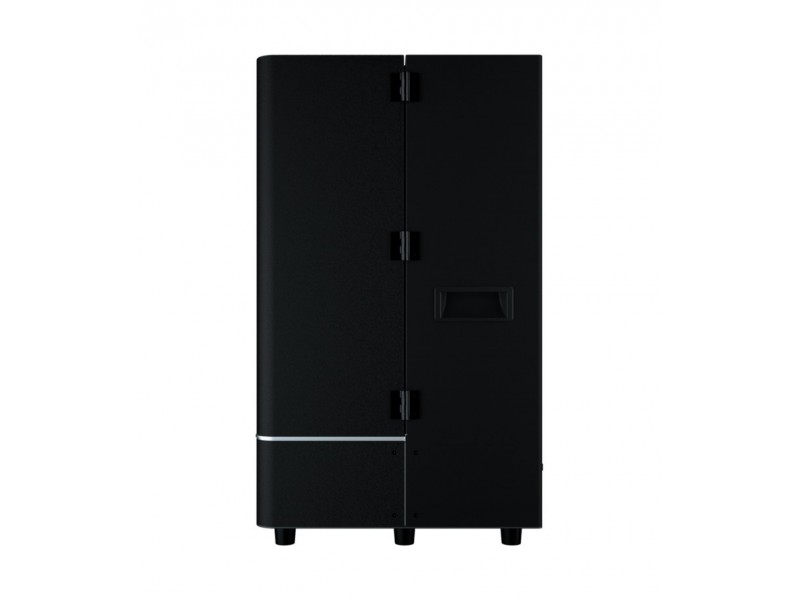
La Phrozen Sonic MEGA 8K es una impresora 3D monocromo de calidad industrial que cuenta con una pantalla LCD monocroma de larga duración con una definición ultra alta de 8K, lo que la convierte en una máquina profesional que crea modelos extraordinariamente detallados. Además, ofrece un volumen de construcción impresionantemente grande para los fabricantes y diseñadores de productos que son realmente apasionados de llevar sus ideas más locas a la vida.
Aquí tienes una muestra de la impresión de Uncle Jessy:
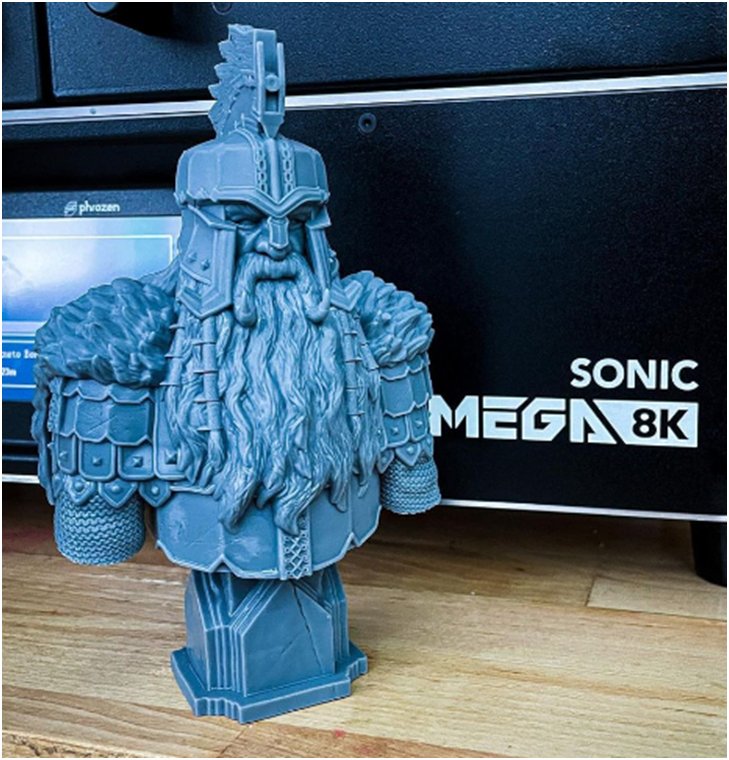
Crédito: @unclejessy4real / Instagram
Aquí hay una impresión de una Calabaza Zombie completada por Lewis Villamar.

Aparentemente, la máquina se parece a la Phrozen Transform, el anterior producto de gran formato de la renombrada empresa taiwanesa, pero presenta una serie de diferencias, la principal de las cuales es la resolución 8K. Eche un vistazo a la siguiente tabla para comparar los dos modelos en detalle.
| Modelo | Phrozen Transform |
Phrozen Sonic MEGA 8K |
| Material | Aluminio | Aluminio |
| Eje Z |
Doble guía lineal, husillo de bolas |
Doble guía lineal, husillo de bolas |
| Volumen de construcción |
292 x 165 x 400 mm |
330 x 185 x 400 mm |
|
Pantalla de impresión |
LCD RGB 4K DE 13,3 LCD monocromo 4K de 13,3" (opcional) LCD dual de 5,5" 2K (opcional) |
LCD monocromo 8K de 15 |
| Resolución XY |
76 µm (panel estándar) 47 µm (panel doble) |
43 µm |
| Altura mínima de la capa |
10 µm |
10 µm |
| Velocidad máx. de impresión |
10 mm/h (pantalla estándar) 40 mm/h (pantalla mono) |
70 mm/h |
|
Pantalla de control |
Pantalla táctil en color de 5 | Pantalla táctil en color de 5 |
| Sistema de refrigeración | Ventilador múltiple |
Ventilador múltiple |
| Conectividad | USB, Ethernet, Wi-Fi | USB, Ethernet |
El nuevo Phrozen Sonic Mega 8K es único en su clase y no existe ninguna alternativa disponible actualmente en el mercado.
La Phrozen Sonic MEGA 8K es una impresora 3D LCD de gran escala que puede imprimir capas a una altura mínima de 10 micras, con una precisión de posicionamiento XY de 43 µm. De este modo, puede producir objetos con superficies exteriores extremadamente lisas.
Echa un vistazo a esta impresión:
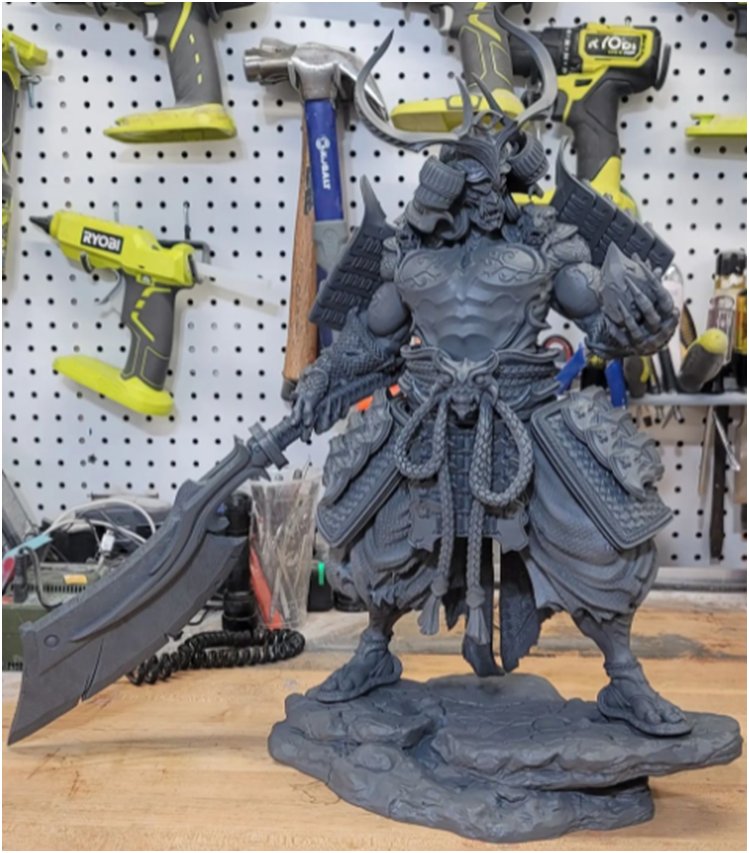
Crédito: @jankdprops / Instagram
La potente pantalla LCD monocroma 8K de 15 pulgadas es la primera de su clase para impresoras 3D de resina, tanto en tamaño como en resolución. Esto hace que la calidad de los resultados producidos con el dispositivo no tenga precedentes.
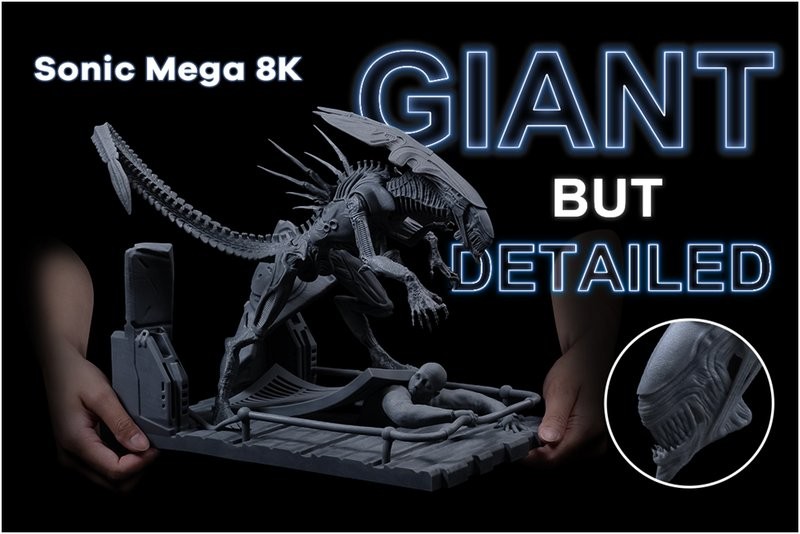
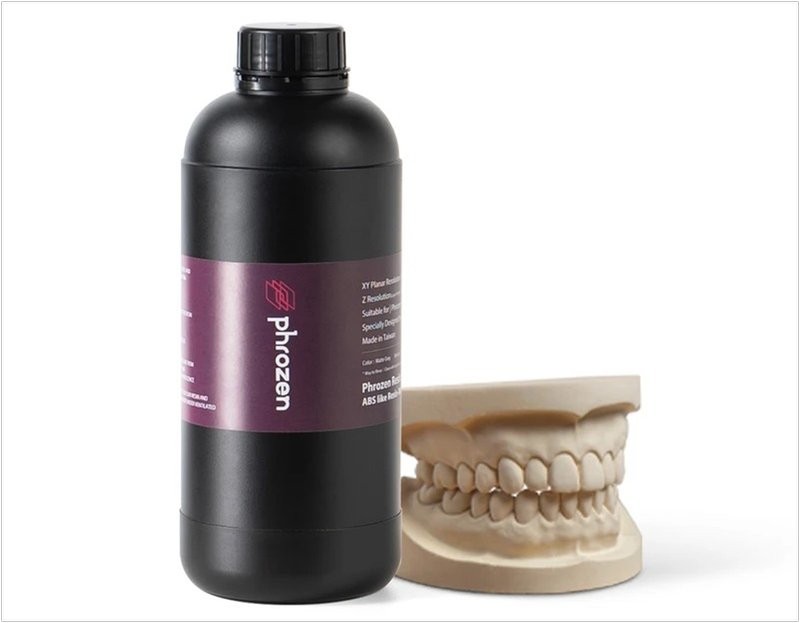
El Phrozen Sonic MEGA 8K ofrece una gran variedad de materiales para elegir. Es compatible tanto con resinas de desarrollo propio como con resinas de terceros de 405 nm.
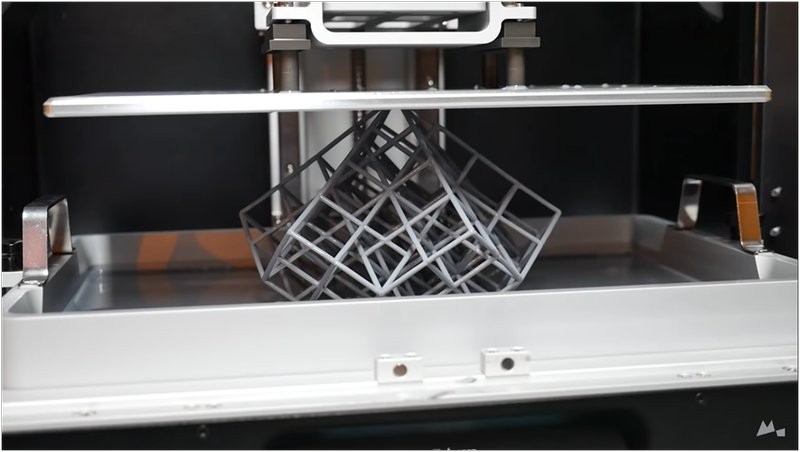
Crédito: Maker's Muse / YouTube
La base de datos de perfiles de resina de Phrozen incluye perfiles ya preparados para más de 20 resinas diferentes, entre las que se incluyen la resina similar al ABS, la resina TR250 de alta temperatura, la resina resistente al nylon verde y una gran variedad de resinas moldeables.
La Phrozen Sonic MEGA 8K ofrece una enorme área de construcción de 330 x 185 x 400 mm (12,9 x 7,3 x 15,7 in) que permite hacer un único modelo enorme de una sola vez o imprimir simultáneamente varios más pequeños, lo que será especialmente útil para la producción en masa.
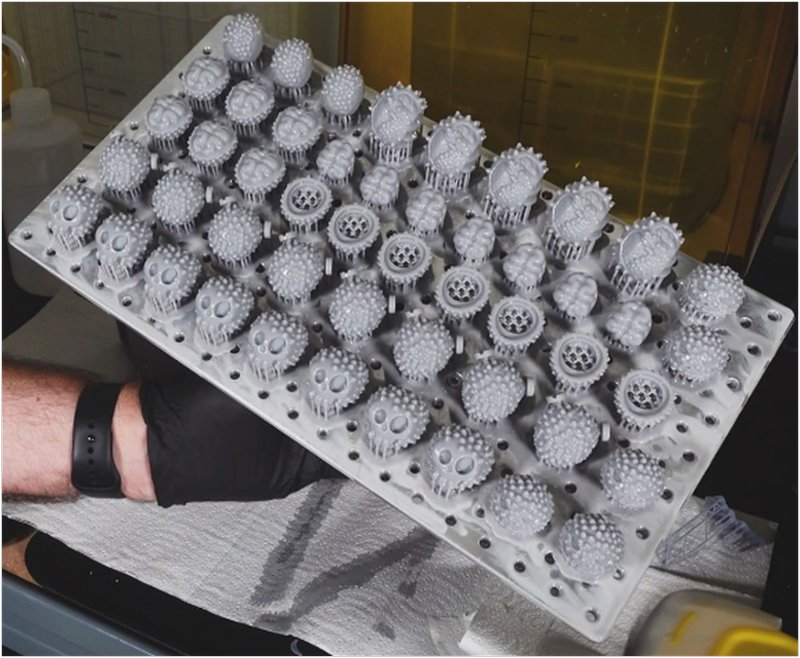
Crédito: @lycheeslicer / Instagram
Ahora puede lanzar nuevos productos en un abrir y cerrar de ojos.
Sonic MEGA 8K se puede controlar a través de un PC o de su pantalla táctil LCD integrada y cuenta con conectividad Ethernet, USB y tarjeta SD, lo que lo convierte en un dispositivo realmente accesible.
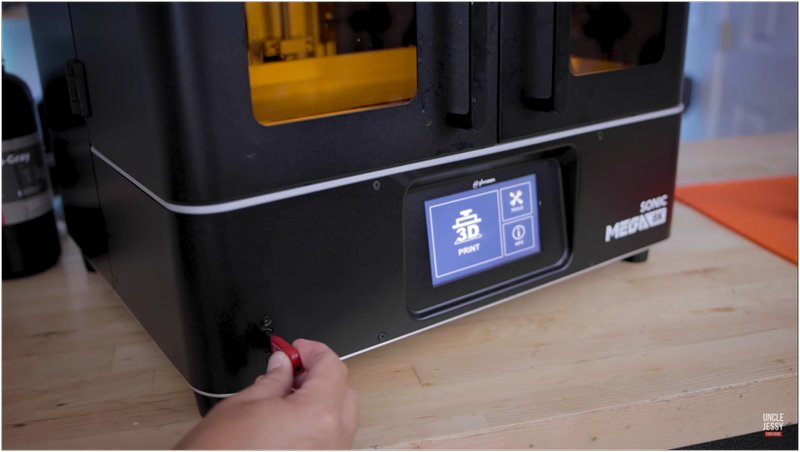
Crédito: Uncle Jessy / YouTube
La impresora puede interactuar con un modelo 3D de casi cualquier formato y es compatible con ChiTuBox, un cortador optimizado para trabajar con impresoras 3D SLA/DLP/LCD.
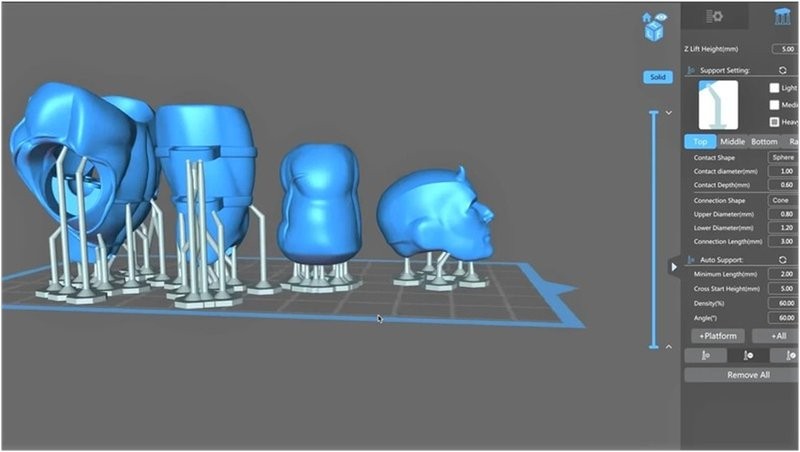
Top 3D Shop proporciona tutoriales dedicados sobre cómo ejecutar correctamente Chitubox con su impresora 3D Sonic Mega 8K, así como los ajustes que debe utilizar para sus resinas Phrozen.
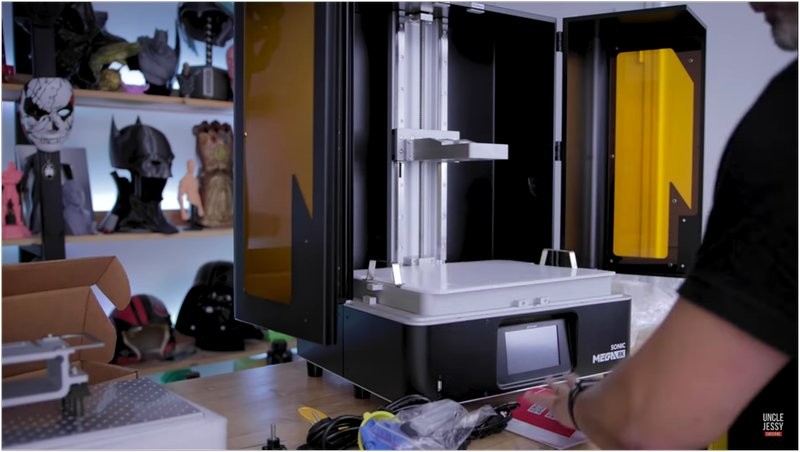
Crédito: Uncle Jessy / YouTube
Para algunos artículos, el contenido del paquete del producto puede cambiar. Si tiene alguna duda, póngase en contacto con nosotros.
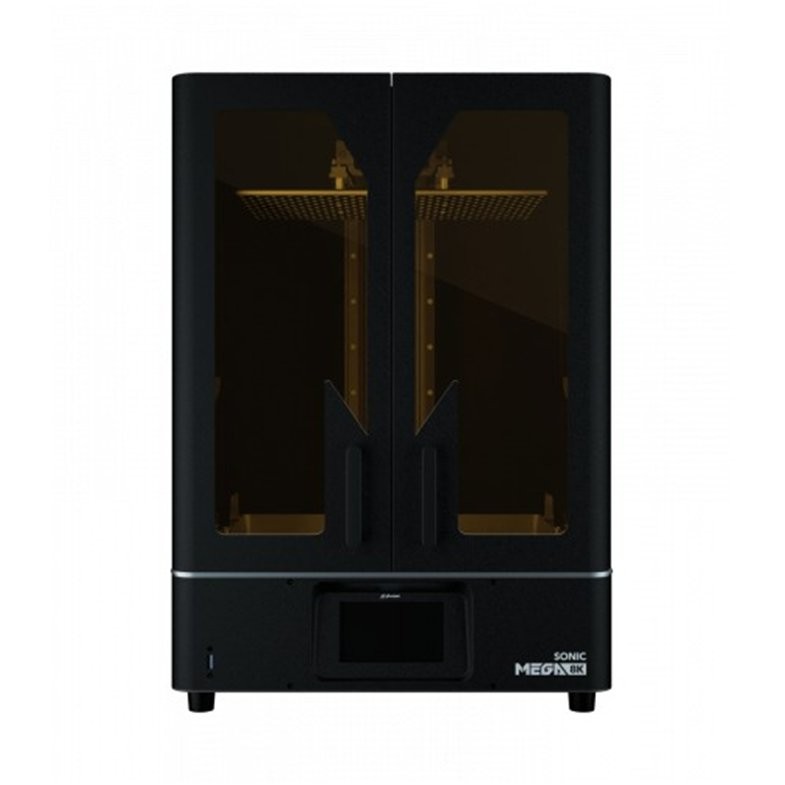
El Phrozen Sonic MEGA 8K está disponible en negro con zonas transparentes de color amarillo oscuro en las puertas. Su elegante diseño la hace ideal para diversas aplicaciones profesionales y personales. Las dimensiones exteriores de la máquina son 40 х 47 х 68 сm (15,7 x 18,5 x 26,7 pulgadas) y pesa 35 kg (77 libras). Con el exterior completamente de metal, la Sonic Mega 8K es un dispositivo fuerte y resistente, su estructura garantiza un funcionamiento sostenible a largo plazo.
El diseño de doble raíl lineal y husillo de bolas se utiliza para minimizar el bamboleo. Como el eje Z de 40 cm de altura se mantiene ultraestable, la calidad y la precisión de las impresiones de gran tamaño mejoran notablemente.
La nueva pantalla LCD monocroma dura el doble que las alternativas RGB del mercado (normalmente más de 2.000 horas).
El Phrozen Sonic MEGA 8K tiene un precio de € 2,399.00, que es razonable teniendo en cuenta la resolución de este producto, el área de construcción (uno de los más grandes), y las capacidades generales, especialmente teniendo en cuenta que no hay ninguna alternativa disponible actualmente en el mercado para este nuevo dispositivo.
Update your browser to view this website correctly. Update my browser now